
Introduction
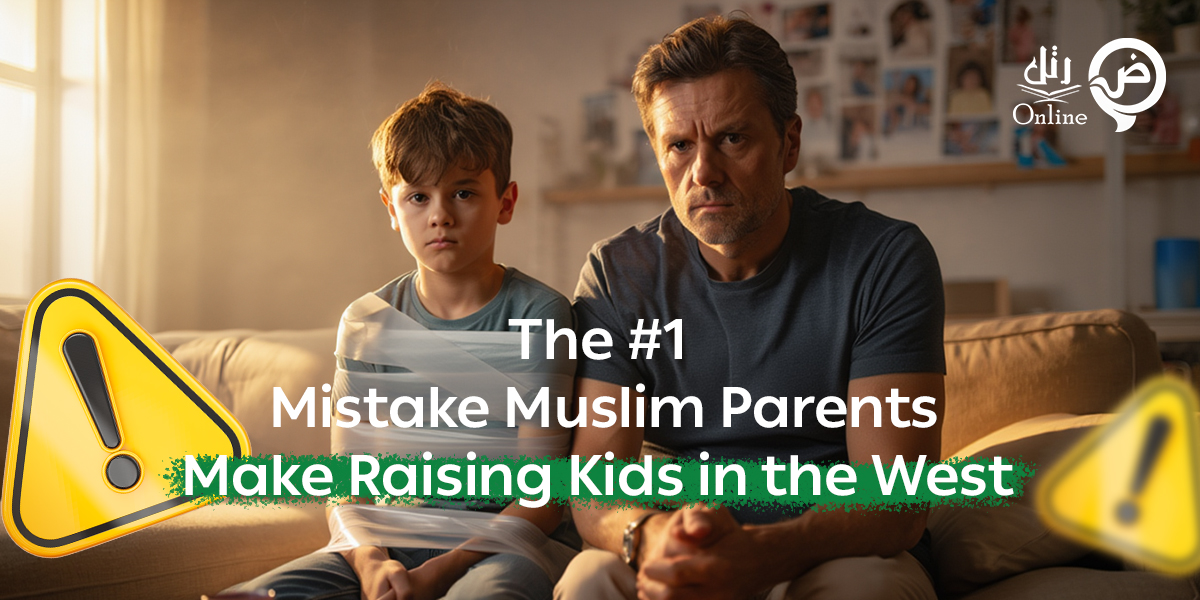
Many parents believe that moving their children to a better economic environment is enough to secure their future. They work hard, provide good education, choose safe neighborhoods, and feel they are doing everything a good parent should.
Then their children grow up, and the gap begins to show.
Not just in behavior, but in identity, values, and how they see themselves and the world.
And the father finds himself asking a question he never expected: where did I go wrong?
In most cases, the issue is not what parents did, but what they did not realize. The expectations they brought from back home do not always fit the reality their children are growing up in.
What Most Parents Don’t Understand About How Their Expectations Affect Their Children
When your expectations are higher than your child’s reality, you lose more than the ability to recognize their progress. You lose their trust.
Every time they achieve something and feel unrecognized, the distance between you grows. Over time, that relationship begins to weaken.
The more disconnected you are from your child’s world, the wider that gap becomes
School, friends, and media shape your child every day, often with values very different from what you are trying to teach.
When you understand these influences, you can talk to your child about the ideas they are exposed to before those ideas take root. Do not wait for them to come to you. Start the conversation yourself. Ask about what they see and hear, and help them think through it instead of simply absorbing it.
A child who has these conversations early becomes much harder to influence in the wrong way.
What you see as motivation might actually be what hurts them most
Comparison is a clear example, especially when you compare them to relatives living in Muslim countries.This comparison is unfair from the start.
That child is surrounded by an environment that supports them. Their school, friends, and daily life all reinforce the same values. Your child, on the other hand, is going against the current every day, yet you expect the same results.
When comparison becomes a habit, your child does not feel motivated. They feel like they are never enough. They feel unseen. They begin to believe that no matter how hard they try, it will never be enough. This feeling does not push them forward. It pushes them to give up.
If pressure is not the answer, then what is?
The alternative is not lowering your standards or giving up expectations. The real shift is understanding the difference between motivation and pressure.
Motivation says I see your effort and I believe you can do more. Pressure says what you did is not enough and I am not satisfied.
They may sound similar, but they lead to completely different outcomes.
A motivated child moves forward because they want to. A pressured child may move forward for a while, but out of fear. The real difference appears later, when they have the freedom to choose. One continues, the other stops.
Summary
Raising a Muslim child in the West is not impossible, but it requires a different kind of awareness. You need to understand your child’s environment, your own expectations, and the difference between supporting them and overwhelming them.
The first step is simple but powerful. See your child as they are, not as you wish them to be, and not as others are in a completely different environment. When you do that, the way you speak, expect, and support them will naturally change.
If you are looking for support in this journey, Ratl School offers programs designed to support your child’s religious, psychological, and behavioral development, built specifically for Muslim children growing up outside Muslim countries.
You can book two free sessions for your child through the link below.