
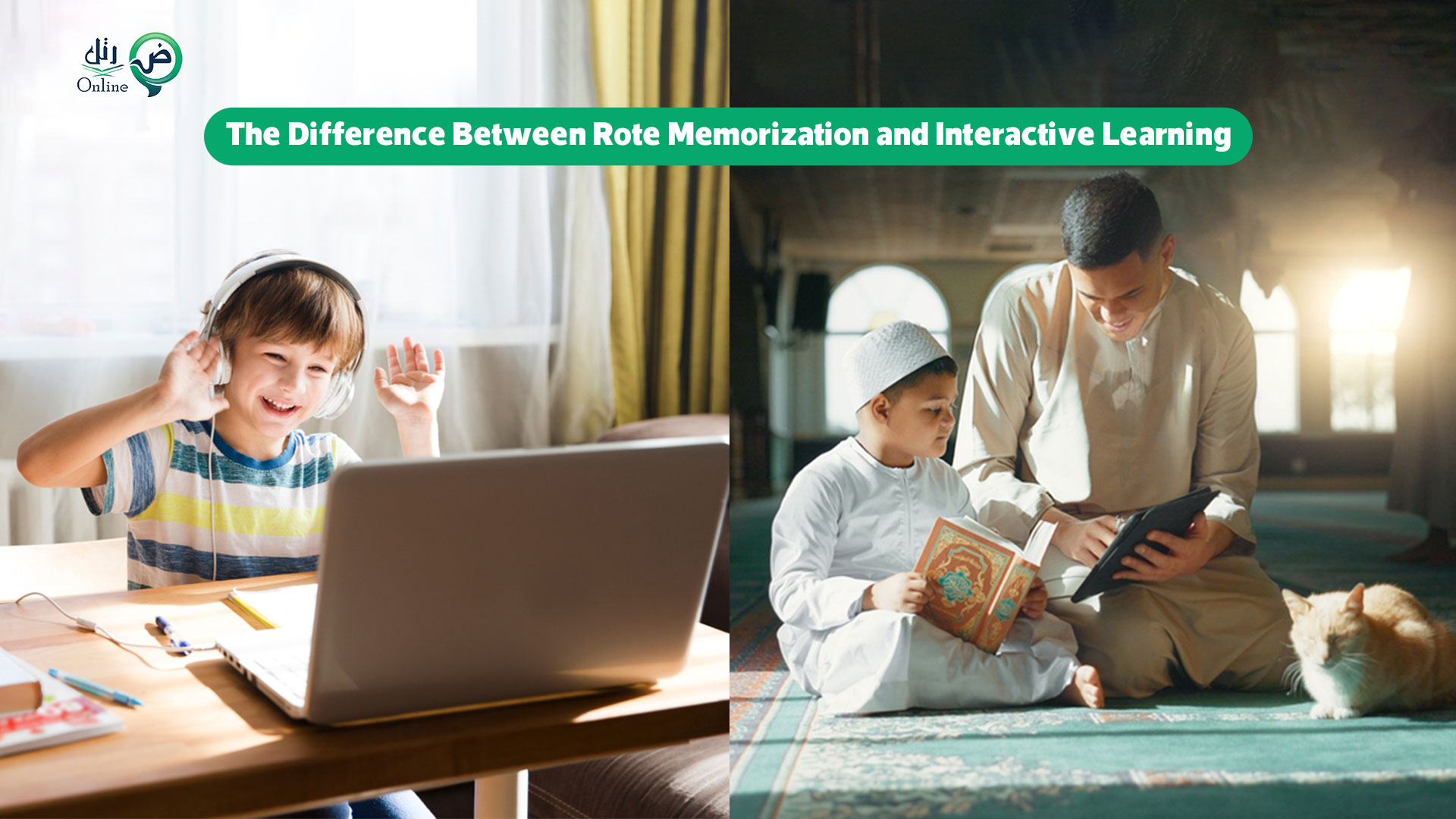
Have you noticed that every time you try to help your child memorize the Qur’an, they feel bored?
Or perhaps they avoid it altogether running away, refusing to memorize completely—despite easily remembering the names of video games or recalling details of a movie they watched long ago
Even though the task may be limited to memorizing short surahs, the Qur’an memorization session often turns from a beautiful spiritual moment into a process filled with bargaining, tension, and resistance
And surely, you may carry this dream in your heart: that your son or daughter grows up carrying the Book of Allah in their chest, with a heart attached to the Qur’an—seeing it as their closest companion amid a life full of pressures and the challenges of living abroad.
But have you ever tried looking at Qur’an memorization through your child’s eyes
When you put yourself in their place—living in a foreign environment where Arabic is heard only at home—you’ll realize that the Qur’an may appear to them as unfamiliar letters and difficult words.
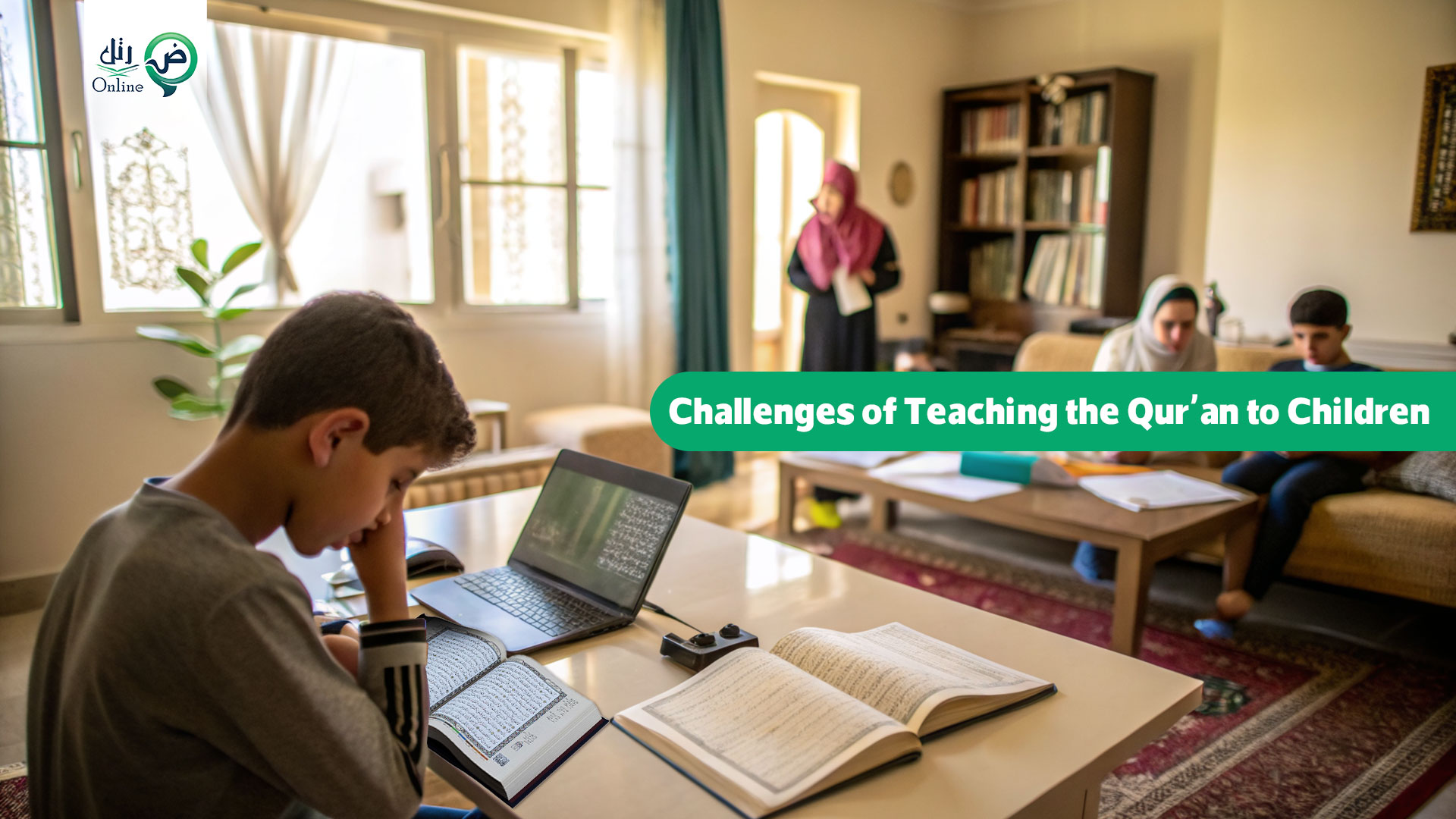
When a child is asked to sit for long periods repeating Qur’anic words whose meanings they do not understand, boredom is inevitable. They will look away, wait for a chance to escape, and over time may develop a negative image of the Qur’an as a heavy obligation.
In truth, teaching the Qur’an to children living abroad is not an easy task.
Mosques and Islamic centers are often integrated into different cultures, your time is limited between work and responsibilities, and even when a local teacher is available, lessons are frequently traditional and rigid—failing to attract children or inspire them to memorize.
Children by nature are curious, energetic, and love discovery. Their minds have grown accustomed to fast interaction, bright colors, videos, apps, and games.
That is why, at Rattil School, we thought of an alternative approach to bring our children closer to the Qur’an—through interactive learning.
Instead of turning the Qur’an session into mere repetition of verses, it becomes a living, interactive experience that sparks the child’s curiosity, engages all their senses, and actively involves them in the memorization process.
The child is not only asked to memorize and repeat verses, but is also introduced to simple word meanings. We use stories, images, and dialogue, and encourage the child to ask questions, participate, and connect what they learn to their daily life.
Key Benefits of Interactive Learning:
- Love of learning instead of aversion:
Your child looks forward to Qur’an sessions at Rattil School because they are filled with dialogue, activities, stories, and child-friendly explanations—not mere rote memorization. - Deeply rooted meanings:
By linking Qur’anic verses and teachings to real-life situations and daily behavior. For example, when memorizing a verse about honesty, the teacher shares a story about honesty—its reward and the consequences of lying—and how honesty applies to everyday life. - Building self-confidence:
Active participation gives your child a sense of achievement and makes them feel heard, capable of understanding and expressing themselves—not just receiving and repeating. - Improved focus and attention:
Interactive dialogue combined with visual tools keeps your child engaged and significantly reduces boredom. - An emotional bond with the Qur’an:
This is the most important difference—your child does not just memorize the Qur’an, but comes to see it as a source of comfort and guidance.
In the end,
your dream may be to see your child carrying the words of Allah in their heart, reciting the Qur’an in clear Arabic, living by its meanings with awareness and love, and making the Qur’an their reference in all aspects of life.
But to achieve this dream, we must change the way we view learning.
Memorization alone is not enough, and rote teaching does not bear fruit. Interactive learning is what opens a child’s heart to the Qur’an and turns the Qur’an session into something they eagerly await—not something they run away from.
Let our children live with the Qur’an—not merely as a book to be memorized, but as a soul that revives hearts, a constitution that guides the way, and a companion that stays with them wherever they go.
✨ Enroll now for two free trial sessions.
At Rattil School, the first step begins toward building a generation that loves the Qur’an—a generation that understands it, loves it, and lives by the Book of Allah.